

Capuchins partnering with Food for Soul to redesign Meldrum site, create Refettorio Detroit, with style of traditional restaurant
DETROIT — For more than 100 years, the Capuchin Franciscan friars at St. Bonaventure Monastery have been providing meals for people in need.
That wording is particularly important to Bro. Gary Wegner, OFM Cap., director of the Capuchin Soup Kitchen. The soup kitchen doesn’t “feed people,” it “provides meals,” serving men and women in need with dignity and distinction.
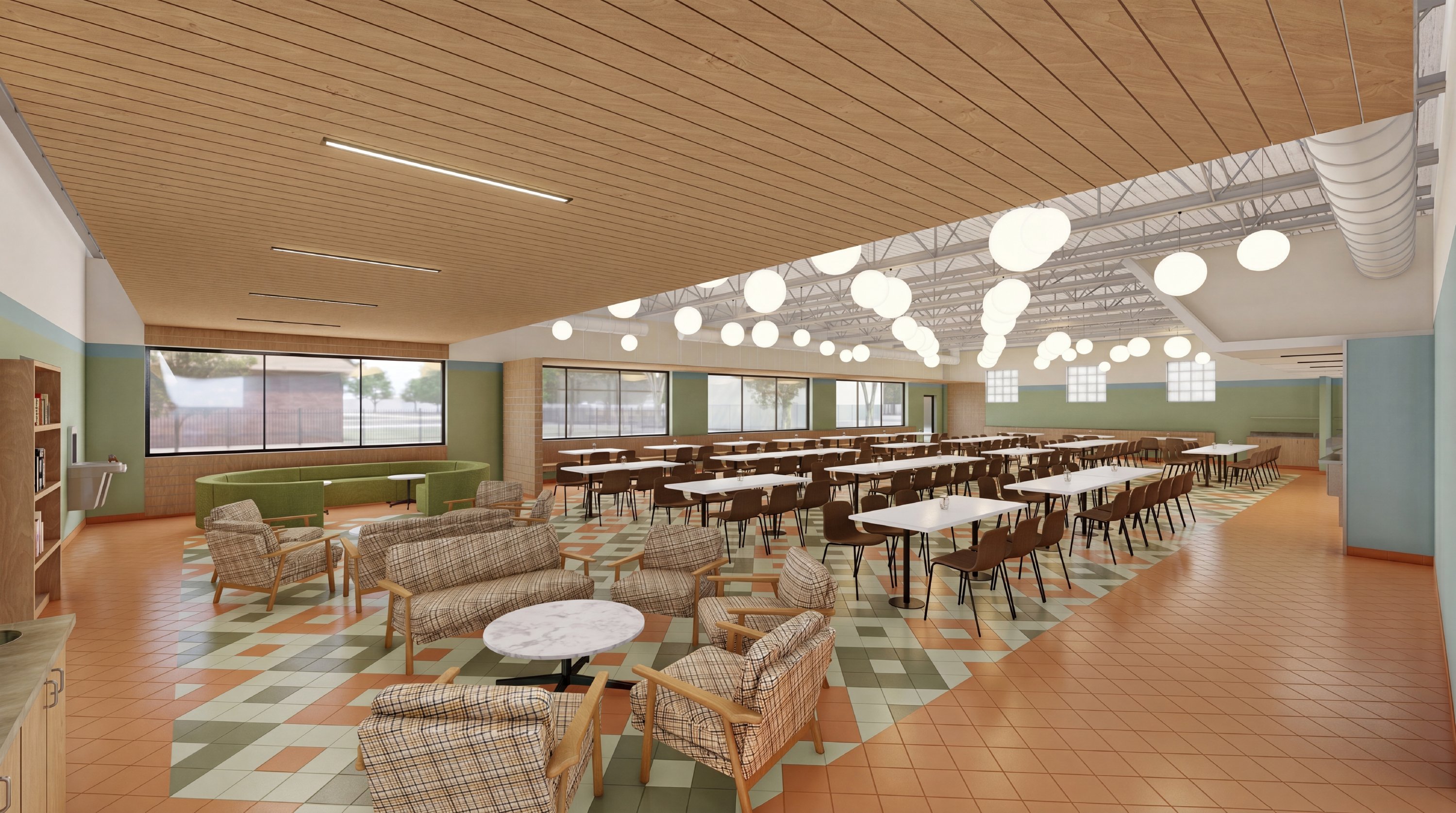
For this reason, the Capuchin Soup Kitchen is partnering with Food for Soul to transform its Meldrum Street location into Refettorio Detroit, a full-service, sit-down soup kitchen with the feel of a traditional restaurant, where guests will be seated and waited upon by volunteers.
Bro. Wegner said the Capuchins are bringing in Food For Soul after witnessing the success of its other Refettorio locations in San Francisco and Harlem, N.Y., but emphasized the Capuchins are still operating the soup kitchen.
“We are partnering with Food for Soul to help us do what we have always been doing, to take the dignity and hospitality with which we have always served our guests to another level,” Bro. Wegner told members of the media in September. “I had the chance to visit the two other Refettorios in the United States, and what I like about them is that they’re not a franchise where everything is the same wherever you go. Each location has its own character, but with the model of Food for Soul.”
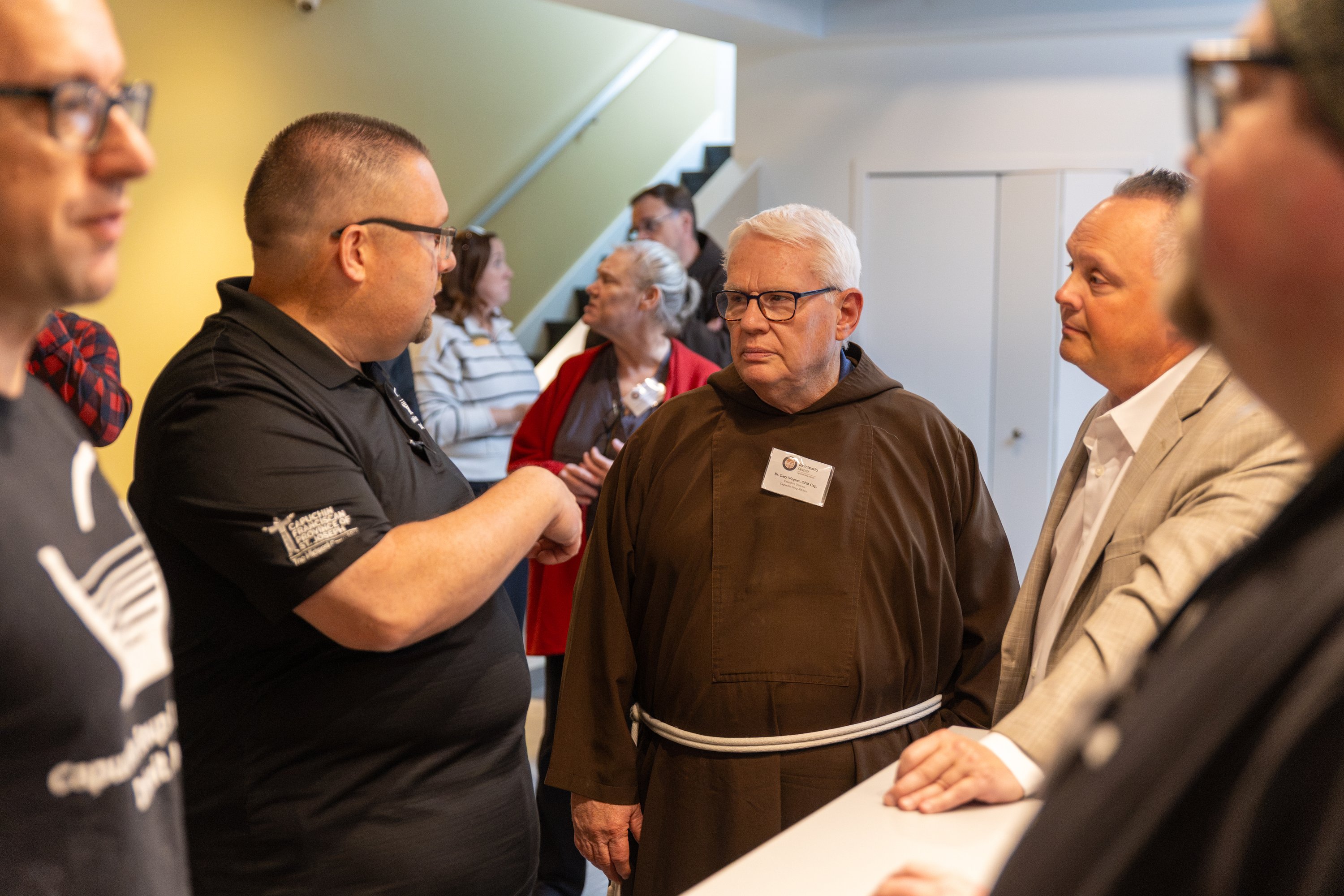
Food for Soul is a nonprofit founded by Chef Massimo Bottura and Lara Gilmore with a mission to reduce food waste and social isolation by bringing their community-based culture project, Refettorio, to underserved communities.
Food for Soul opened its first Refettorio in Milan in 2015 and has since developed a global network of locally operated Refettorio projects through nonprofit partnerships, transforming surplus food into nutritious meals served with dignity and hospitality.
“When I went to Harlem and saw that it was a table service style of service, that was the final selling point for me,” Bro. Wegner said. “So now we'll be on the coast and in the middle (of the country) here in Detroit, and it's just a great opportunity.”
Jill Conklin, co-director at Food for Soul, said the history and mission of the Capuchin Soup Kitchen are the reasons the organization chose Detroit as its third U.S. location.
“People often ask, ‘Why Detroit?’ and I often say it's very difficult to say why Detroit, why Harlem, why San Francisco,” Conklin said. “We need a Refettorio in every neighborhood, but more importantly, we need a community of people working together to lift people up, especially now.”
The $2.4 million facility transformation, designed by Royal Oak-based Constantine George Pappas AIA Architecture/Planning and built by general contractor Detroit-based Ferlito Group, began with a groundbreaking in spring 2026, with construction expected to be completed by January 2027.
“This is just fantastic for us,” Michael Ferlito, CEO of Ferlito Group, said. “The Capuchin Soup Kitchen has been a very important part of our family and our Catholic upbringing."
Conklin said Food for Soul is rooted in two key pillars: reducing food waste and reducing social isolation. A creative program, Refettorio Detroit’s staff will work with local food sources and the kitchen staff to reduce food waste and provide a menu that’s in sync with the growing season.

“Chef Alison (Costello) was already trying to determine how we can build more hospitality into our daily program services,” Conklin said. “And you have a gem with Chef Alison and the culinary team because she knows flavor, and she knows sustainability is already happening here at Earthworks (Urban Farm). So much of what we do is already embedded in the day-to-day.
“But alongside the idea of asking how we can continue to evolve the way we deliver dignity to people. She's always asked, how can we continue to evolve what's on the plate? How can we make that culturally relevant for people, exciting, flavorful, and important and impactful for the environment?” Conklin added.
What sets the Refettorio dining experience apart from other soup kitchens is that guests are seated at tables and given the day’s menu from which to order. Volunteers offer water or coffee for guests, in addition to snacks and a full meal.

The Capuchin friars have been providing food for the hungry since their arrival in Detroit in 1883, and especially since Fr. Herman Buss, OFM Cap., and others established the soup kitchen in the wake of the Great Depression.
Refettorio Detroit is just the next evolution of its work to be close to the poor, Bro. Wegner said.
“The soup kitchen's early years were just soup. We still serve soup because it's who we are, but not every day and more in the wintertime. Now we have full meals,” Bro. Wegner said.
After the city's 1967 unrest, the Capuchins saw another opportunity to serve the community by adding its services center, he added.
“There were no grocery stores in this area, and one of my predecessors, Bro. Albert, would go to the suburbs with a truck, buy groceries, bring them to the garage of the original soup kitchen. He'd open the back of the garage, and women from the neighborhood could come,” Bro. Wegner said.
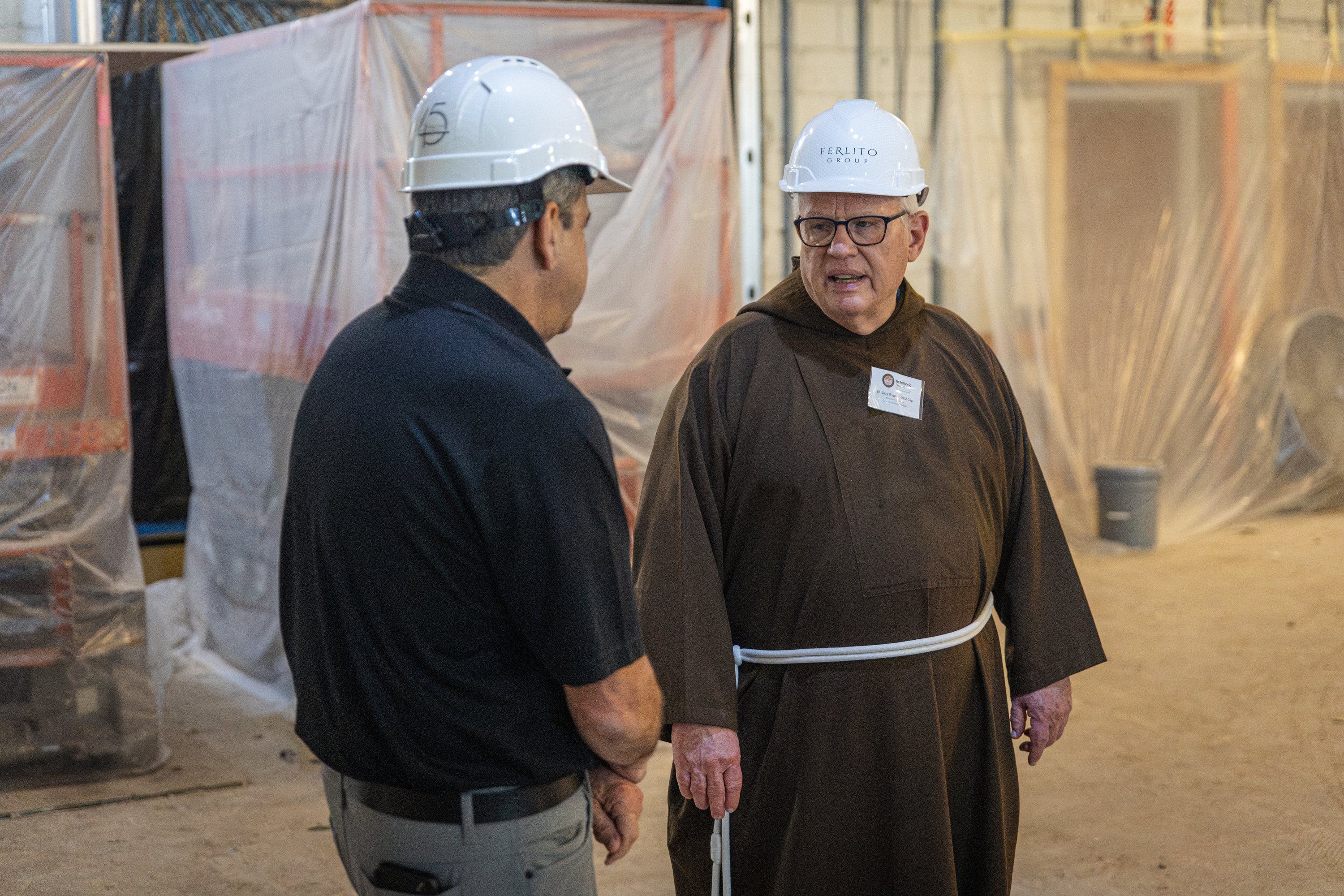
Aside from the dining experience for guests, Bro. Wegner said the layout of Refettorio Detroit, with a proper seating area and volunteers going back and forth from the kitchen to the tables — rather than just standing behind a counter, ladle in hand — will create more person-to-person connections, Bro. Wegner said.
“The guests are going to gather around, which I'd like to think they would now, but even more so,” Bro. Wegner said.
“When you bring the meal to the table and ask, 'What did you think of the soup?' Or, 'Did you enjoy the salad today or the hors d’oeuvres?’ And people might say, 'I really loved it. It was great.' Or somebody might say, 'You know, it's not quite my favorite thing.' But that's feedback, and we all like feedback," Bro. Wegner said. "I think the volunteers are going to get more feedback than they're used to, and more appreciation for taking their time to serve a meal and have a conversation.”