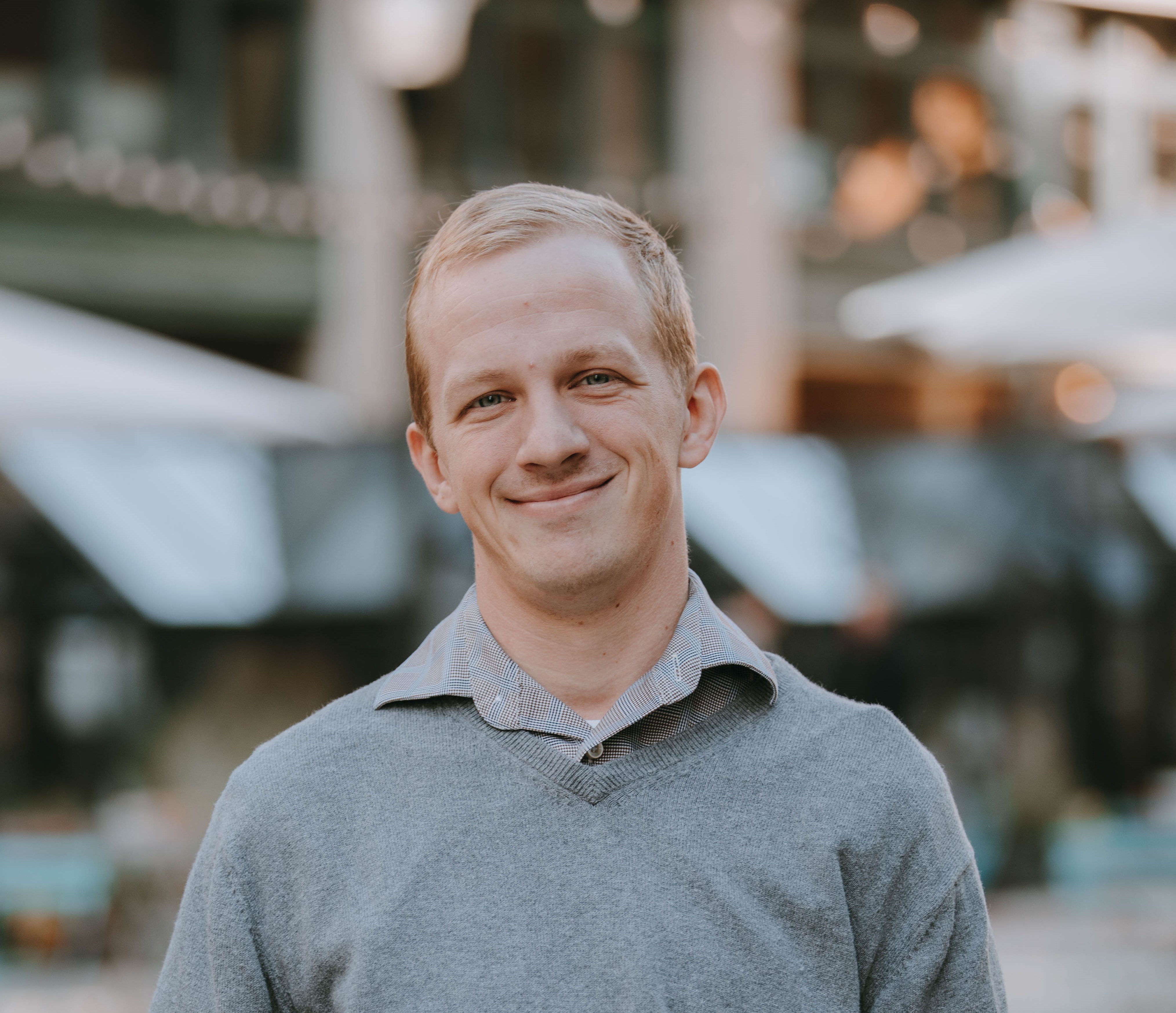

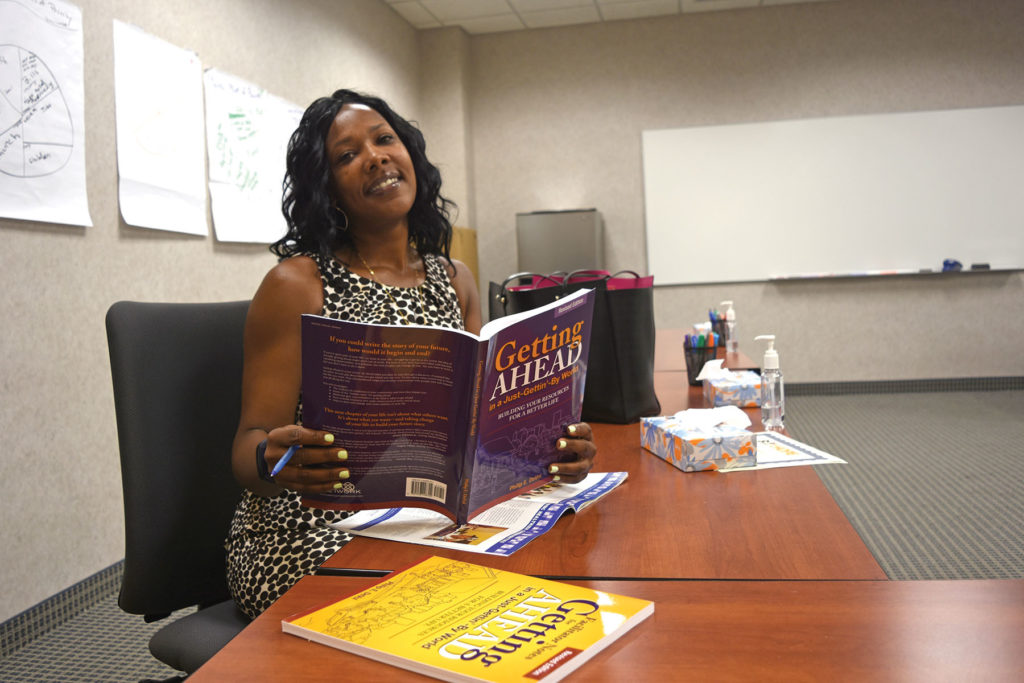
 Takiyah Calhoun, lead facilitator for the Detroit-based Bridges to Hope cohort, said the program is designed to help those in poverty realize they’re not alone and to discover ways to conquer negative trends that perpetuate the cycle of poverty.
Detroit — For people living in poverty, the concerns can seem endless.
Where will I get food today? Do I have enough money to pay the rent? What would I do if my child gets sick?
It’s a soul-crushing condition that can leave people feeling helpless.
To alleviate that hopelessness, St. John Providence Hospital has partnered with the Society of St. Vincent de Paul and Catholic Charities of Southeast Michigan to build a bridge: Bridges to Hope.
The idea for the program began in 2013, when the St. Vincent de Paul national conference approached Ascension Health CEO Tony Tersigni about creating holistic programs to address poverty. For the Detroit area, that resulted in Bridges to Hope, which began in earnest in September 2016 when the first participants graduated from the eight-week program.
“St. Vincent de Paul was trying to understand how they can make a greater impact on the lives of the people living in poverty,” said Cassandra Jackson, Bridges to Hope program manager. “They were spending all this money, but not changing the overall percentage of people living in poverty.”
That led to collaboration between St. Vincent de Paul and St. John Providence, along with Catholic Charities, to develop a program that looked at the socio-economic roots of poverty and ways to break long-running trends.
Bridges to Hope
The next Bridges to Hope cohort will meet in September at the Riverview Health and Rehabilitation Center, 7633 E. Jefferson, Suite 10, Detroit. To register, call (313) 499-4963 or visit bridgestohopedetroit.org.
“We developed a curriculum based off the book, ‘Getting Ahead in a Just Getting By World,’ by Philip E. DeVol,” Jackson said. “The book breaks down the classes and how people in the middle class, the wealthy class and the poverty class view finances. The curriculum develops models about how people can get out of poverty, covering everything from budgeting, to job training, to how to use resources available in the community.”
The 16-session course covers different aspects of the poverty cycle, and are taught with about 15 people in a cohort learning in a group setting.
“We start with what your life looks like today; what keeps you up at night,” said Takiyah Calhoun, lead facilitator of the Detroit-based program. “If you’re thinking about whether or not your kids are safe, do I have enough money to pay my bills, where’s my next meal, you probably don’t have the time to think about your health.”
Working on Detroit’s east side, Calhoun said the classes are designed to show people they aren’t alone.
“By doing the classes in an open setting, talking about the demographics of poverty, we’re showing they’re not the only ones in this situation,” Calhoun said.
To date, Bridges to Hope has graduated more than 150 people from the program. Upon completion, graduates meet with job agencies or agencies that can provide other forms of assistance.
“I’ve heard some people say, if a person is in poverty, they want to be there,” Calhoun said. “What we do is teach how a person can escape poverty — where people can get the resources, the resume coaching, the job offer, and how they can do more than just get by.”
Calhoun said the Bridges to Hope program tries to stay in touch with its graduates after classes are over, offering them the opportunity to speak to the next batch of cohorts.
“I love to see people come in, see the comradery, the rapport they build with one another,” Calhoun said. “A person may come in saying, ‘I’m scared about my bills or my mental health,’ and someone will say they’ve been there too and this is what they did.”
Calhoun adds Bridges to Hope can’t guarantee all of a person’s problems will be solved, but it can provide the tools to face challenges head on.
“We cannot guarantee anybody will be out of poverty in eight weeks; we’d love if it happened, but it’s not typically the case,” Calhoun said. “We try to put you on a path to sustainable livelihood.”
As program manager, Jackson was thrilled to find out the Bridges to Hope program would focus first on the 48214 ZIP code, growing up on Field Street on Detroit’s east side.
“I enjoying being involved in the planning aspect of people turning their lives around,” Jackson said. “I was born in that area, I saw poverty up close and what it does to people — it’s like post-traumatic stress disorder. When they announced the target area, I could see the faces of people where this would have a direct impact on their lives.”