

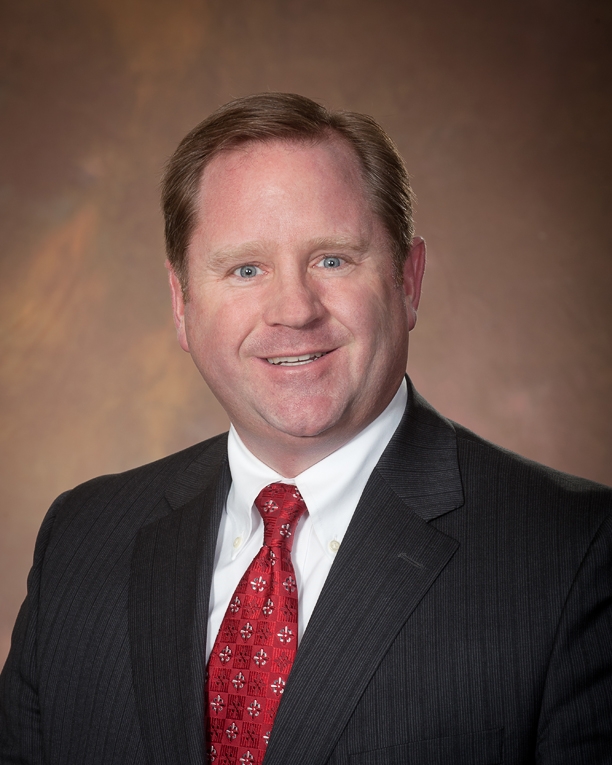
 Paul A. Long
One element of participating in the community is voting. This fall at the ballot box, Michigan voters will choose the state’s governor, attorney general, secretary of state, and a new U.S. senator. Four seats in Michigan’s congressional delegation do not have an incumbent, meaning there will be new representation in Washington, D.C. Michigan voters also have the task of sorting through state House of Representatives and Senate elections, as well as various other local races and ballot issues. These decisions can be difficult and require time for information gathering, conscience formation, prayer, and action.
When making decisions that will impact the direction of the state, the Church teaches that participation in the process is vital, especially to ensure elected leaders are developing and carrying out a moral vision for our state. The Church, according to the Catechism, is charged with “[reminding] those in power to use their authority to serve the poor and vulnerable, build up the common good, and respect human life and dignity” (1902-1903).
While the Church does not endorse particular candidates or political parties, it does call for Catholics to evaluate the candidates closely through the lens of Catholic social teaching and the common good. The U.S. bishops’ document, “Forming Consciences for Faithful Citizenship,” emphasizes the lifelong role all Catholics have to learn about the teachings of the Church and to form their consciences accordingly.
The Church’s rich teachings concerning life, which begins at conception and ends at natural death, are connected to a respect for the human dignity of every person. These teachings also include care for individuals throughout their life, encompassing issues such as poverty, health care, education, work, and immigration. As Catholics prepare for the election, individuals should carefully examine and weigh candidate positions. The bishops tell us “it is essential for Catholics to be guided by a well-formed conscience that recognizes that all issues do not carry the same moral weight and that the moral obligation to oppose intrinsically evil acts has a special claim on our consciences and our actions.”
During these next months leading up to the primary and general elections, Catholics in Michigan should take time to register to vote, look up who is running for office in their respective areas, and examine candidate positions. Primary elections will be Aug. 5 to determine the major candidates for the general election, which will be Nov. 4. Those who would like to vote must register by July 7 for the August primary and Oct. 6 for the November general election.
While Catholic institutions are encouraged to share the Church’s teaching on issues and facilitate voter education and registration, parishes and pastors should take caution during this political season to avoid partisan activity, including endorsing and contributing to candidates or providing parish lists to specific campaigns or political parties. Only materials published by MCC, USCCB or the diocesan bishop should be distributed within the parish. For more information on these guidelines, visit MCC’s website at http://www.micatholic.org/advocacy/publications/.
Paul A. Long is president and CEO of the Michigan Catholic Conference, the official public policy voice of the Catholic Church in this state.