
It’s been said before that the devil delights in the failings of humankind. If so, couldn’t it also be said he delights in schedules so frantic that they shroud God’s voice? Or families whose “activities” keep them so busy, they scarcely have time to eat together?
You bet he does; because those are the things that give us peace — and peace is the last thing he wants for us. The holidays are over. Now, as we enter the new year, it won’t be long until we’re deep into the throes of our crazy schedules. Some of that craziness is avoidable; some of it’s not.
A few years back, I heard a Focus on the Family broadcast titled, “Relief for Overloaded Lives.” It was a recording taken at a conference for Christian doctors, given by ER doctor and author Richard Swenson. Dr. Swenson begins his talk by highlighting how adept we are as Americans at having zero margin in our schedules — and that leads to unnecessary stress.
Zero margin is having two kids with book reports due yesterday, dance and choir practice in two different locations, a dog that just got sick, all while dinner is burning in the oven. Zero margin is also like flying from New York to Chicago with only three minutes to spare before picking up the next flight to Los Angeles. Nobody in their right mind would do that — yet we do it all the time with our daily schedules; we leave no room for margin.
Our relationships also need margin, otherwise they become burdens. Dr. Swenson talks about a time when most of his relationships were difficult. He admits to a chapter in his life when he was doing lots of good — literally everything he and his wife were doing was “for the Lord” — yet he had no peace. He shares a story about how his wife would go for walks at night so no one would see her crying over the stress. It was then that he realized his family’s schedule had no margin. Finally, he asked the question: is it really God’s will for our lives to be this busy?
The contemporary axiom of American life is overload and speed, two great enemies to peace. Dr. Swenson suggests we look at Jesus for the answer. What did Jesus and his disciples do after dark? Everything points to the fact that they rested. Jesus did a lot of good; but nowhere in the Bible does it say he met the needs of every single person in Galilee. Nor do we ever hear of Jesus hurrying or running anywhere.
In fact, when his disciples came back to excitedly report to him all they had done, driving out demons and curing the sick, what did he say? “Come away and rest with me.” Even when Lazarus got sick, he didn’t lift a finger for two days. Was he just cold? Can you imagine judging him by today’s standards? “Lord, how can you rest when there are so many people who still need to be cured?”
Maybe this illustrates that although Jesus was fully God, he was also fully human. And he realized that his humanity had limits. Today, our culture foists on us this ridiculous notion that we need to maximize everything we do. Problem is, there is only one way to do that — increase speed. While speed might be the answer to some of life’s problems, it isn’t the answer to the most important ones.
Did God suddenly become a God of exhaustion instead of peace? When did He change? Where are the “still waters” of which the psalms speak, in God’s service? Where’s the joy in life these days?
Some might say, “But my kids like playing all these sports.” Maybe so. I like doing lots of things, too. However, sometimes I need to say “no” for the “common good” of my family’s peace. Maybe one travel team works better than three.
In many ways, God is a demanding God; but what He demands is Holiness. And that’s a state of being, not doing. There are countless stories in the Bible about how God speaks to us in the stillness of our lives. That our culture has so little stillness might speak to why we can’t hear His voice.
Our culture’s push for us to be all things to all people is impractical at best and idolatrous at worst. Nor am I immune from those temptations. I just hope I don’t have to wait until next Christmas to slow down a bit. Maybe I’ll have the courage to say “no” a little more often to keep that from happening.
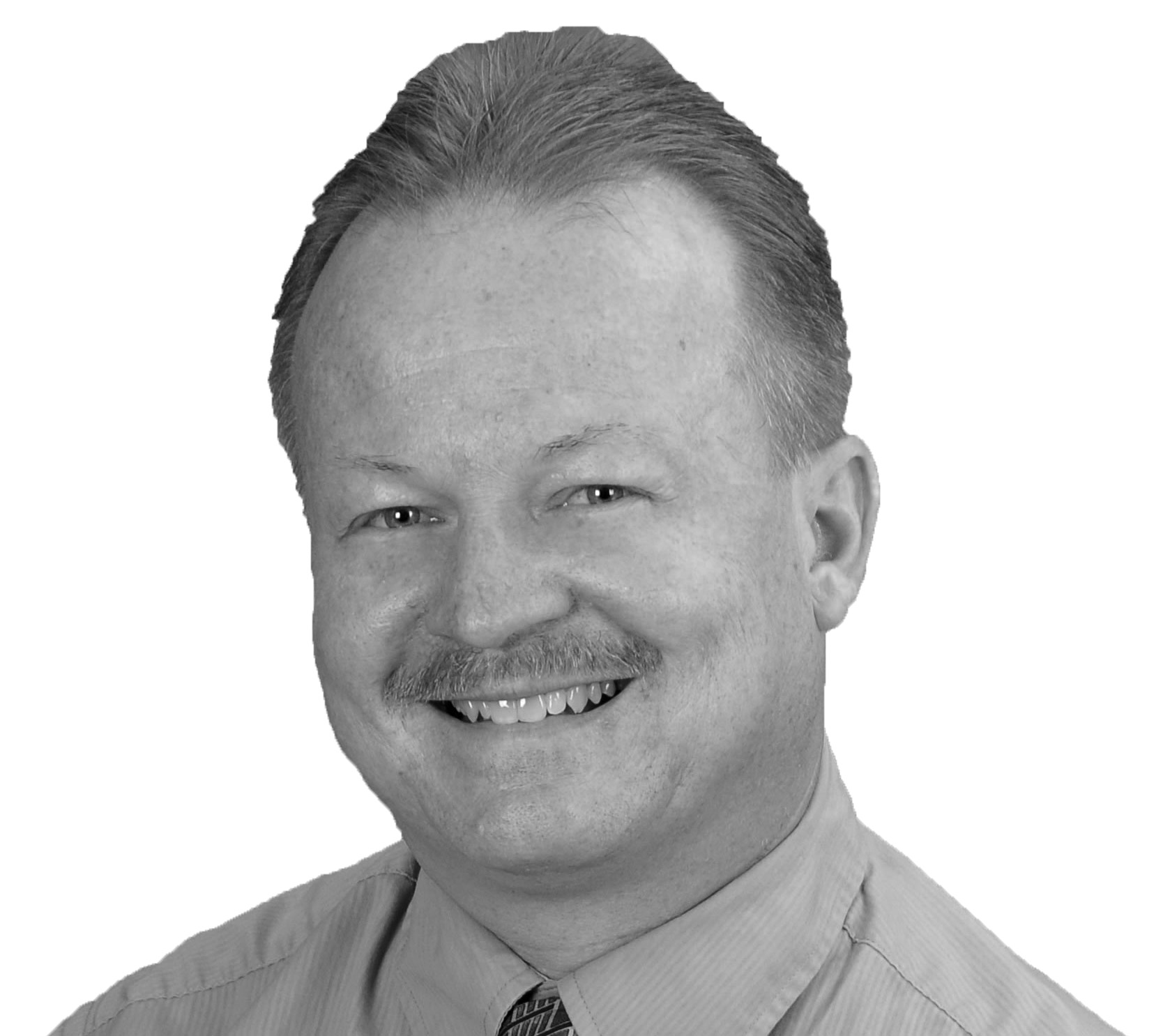
Paul Stuligross is director of campus ministry for Orchard Lake St. Mary’s Preparatory.