
“Why study theology?” I asked my Theology I and II students during the first class this year. “So that we know what we believe,” one volunteered. “So that we can explain it to others,” another elaborated. A budding apologist eagerly contributed, “So that we can defend the Faith against those who attack it.” All good answers, but not the one I was looking for: By knowing more about God, we can love Him more. “Think of snow,” I told them. “Can someone who has never heard of snow love it at all? Can someone who has seen but never skied in it love it as does an amateur cross-country skier?”
The direct relationship between knowledge and love means enriching our prayer life and strengthening our devotion depends greatly on whether we are still actively pursuing a deepening knowledge of God.
One of the insights of this first week of school has been the value of questions. “Questions,” one of my professors used to say, “are the darlings of the intellect.” Scientists know that asking the right question is key to successful research. Those in academia know that penetrating questions result in compelling scholarly output.
Questions keep my classes interesting — my questions for the students but, far better, the students’ questions for one another and for me. “How can a good God, knowing that a soul will go to Hell, still create that soul?” asked one student. He catalyzed an animated discussion, and as I watched it unfold, I realized that high school students bubble with far more questions than do adults — or perhaps high school students simply have more opportunity to ask questions. Either way, as adults, we often let our knowledge settle into stagnancy. What we understand is what we understand; what we never understood remains mysterious.
Any friendship requires that the friends spend time with one another and ask each other questions about their preferences and feelings. We must spend time with God in prayer, but we must also resurrect those old questions that we have buried. The Catechism of the Catholic Church is an excellent resource for answers not only trustworthy but beautiful. Many passages border on the poetic in their presentation of the truths of the Faith, and the Catechism quotes liberally from the treasures of the saints’ writings. We can also turn to the Bible or to a friend whom we trust in matters spiritual. As we ask and explore, we will discover that questions are the darlings not only of the intellect but of the heart.
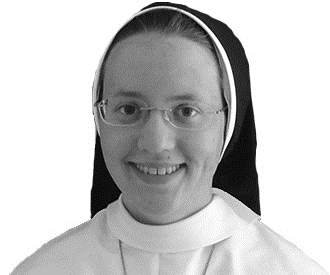
Sr. Maria Veritas Marks is a member of the Ann Arbor-based Dominican Sisters of Mary, Mother of the Eucharist.