
This message can at times be challenging. While Jesus “broke down the dividing wall of enmity between people” through his sacrifice, showing love to one another can be difficult for many reasons, including stereotypes that cause individuals to fear one another (Ephesians 2:14). Nevertheless, people of faith are called to live in a way that recognizes the dignity of others.
In light of this call, the U.S. Conference of Catholic Bishops (USCCB) named Bishop George Murry of Youngstown, Ohio, the chair of the new Ad-Hoc Committee Against Racism in August. Prior to this announcement, the U.S. bishops spoke against the evil of racism, white supremacy, and neo-Nazism in the wake of violence in Charlottesville, which left three dead and more than 30 injured.
While Americans saw animosity, divisive and hateful speech, and physical clashes front and center in Virginia, the incident reminds that issues of race have long been a struggle in this country, within individual hearts and within communities. In 1963, when Michigan Catholic Conference (MCC) began its ministry as the public policy voice of the Catholic Church in this state, civil rights for all races was one of the critical issues guiding its work. Several MCC-action items in the 1960s included opposing racial inequalities, including segregation in schools, discrimination in housing sales, and unfair loan practices.
The bishops remind Catholics that “prejudice can lurk unnoticed in the soul … [feeding] on the fear of what is different,” including in attitudes toward those of different races and toward immigrants and refugees. Meaningful spaces are needed for self-reflection, dialogue and opportunities to interact with individuals from different cultures to identify and overcome prejudices. Bishop Murry challenges Catholics to accompany statements of solidarity with concrete action.
There are many ways to begin to break down walls. The Archdiocese of Detroit held a Mass for Pardon last October, recognizing the archdiocese’s own sins, including “institutionalized racism reflected by generations of neglect,” in order to heal and move forward. Sitting down with those of different races, nationalities and ethnicities is vital, listening to their needs and getting to know them as individuals. In today’s society, it has become easier to form opinions about groups of people without ever interacting with them. Within actual encounters, however, individuals are able to see all they have in common with one another. In community discussions and discussions about public policy, too, it is critical that people of faith stand up for minorities, refugees, immigrants and those who are different, dispelling myths, seeking to treat them each as Jesus would, and examining structures in society that can lead to injustice.
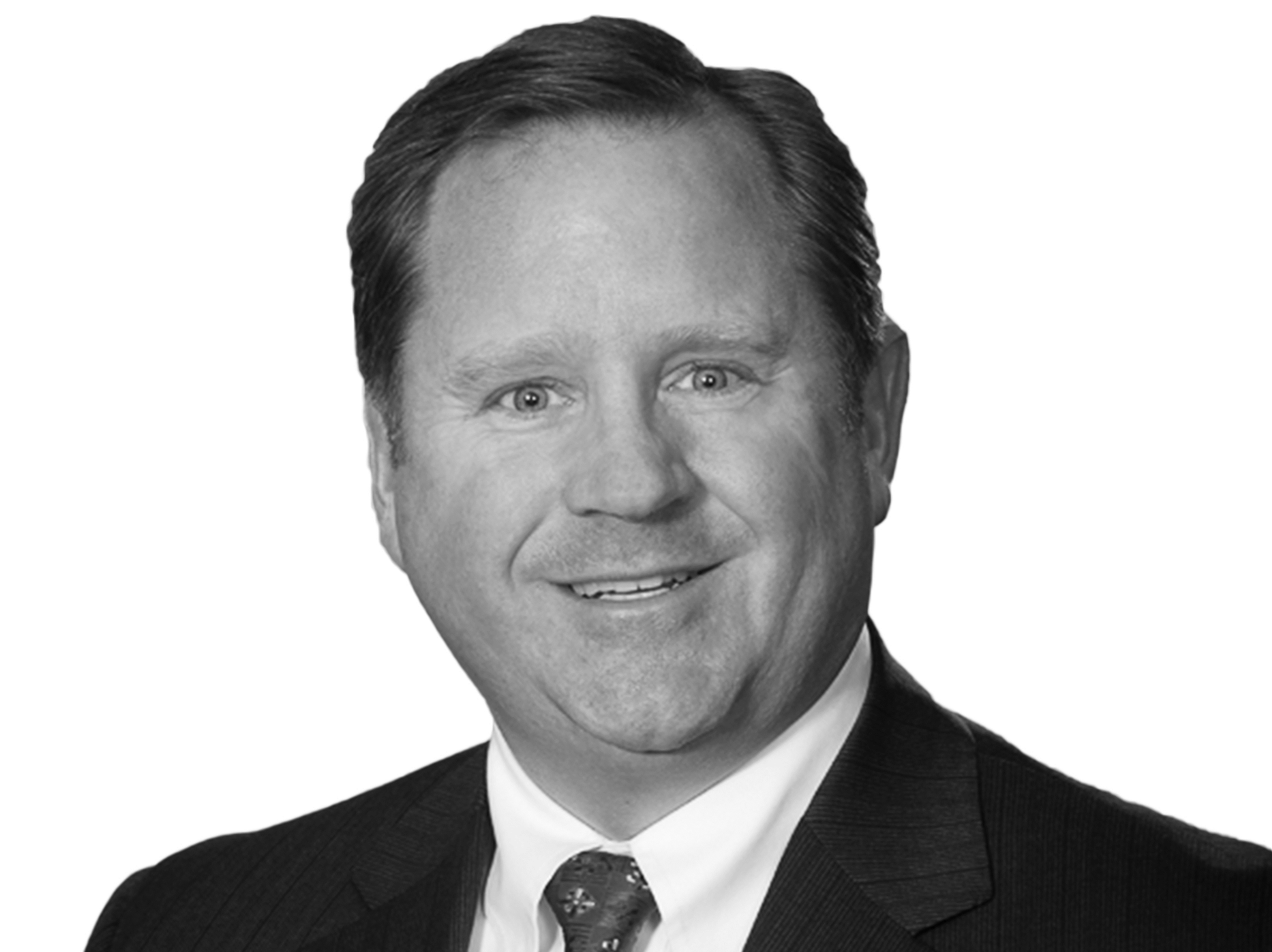
 Paul Long
These actions are not quick fixes; they require continued commitment. But as a universal Church, as a diverse people loved by God, they are needed. Archbishop Allen H. Vigneron, chairman of the MCC board of directors, released a statement after the announcement of the committee, calling all “to join in efforts that uphold the dignity of each person in our society, no matter their race.” Each of us should ask ourselves, in light of that call, “What can I do to make a difference?”
Paul A. Long is president and CEO of the Michigan Catholic Conference, the official public policy voice of the Catholic Church in this state.