
Goal is to organize and support men and women who bring Christ to the incarcerated throughout southeast Michigan, leaders say
DETROIT — Jail and prison ministry teams across the Archdiocese of Detroit have been preaching the Gospel for years to their incarcerated brothers and sisters in Metro Detroit's various correctional facilities.
Now, those teams will have even more support and resources through collaboration with Catholic Charities of Southeast Michigan, which is now coordinating jail and prison outreach ministry efforts for the Archdiocese of Detroit.
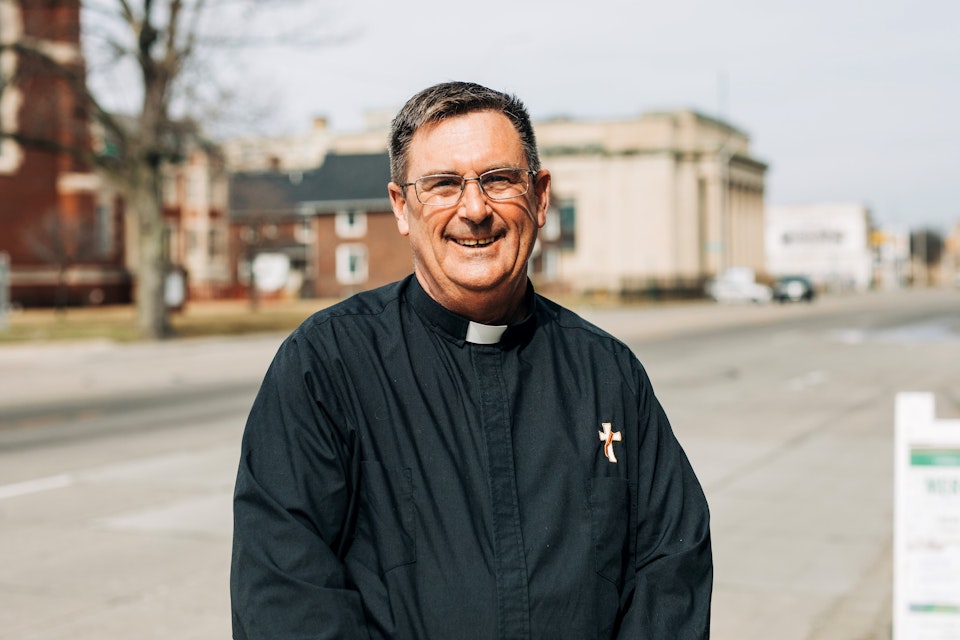
There is already a healthy ministry for the incarcerated in the region, but the change allows Catholic Charities to better organize the teams of volunteer chaplains, explained Deacon Fred Billotto, evangelical charity and mission integration manager at Catholic Charities of Southeast Michigan. Deacon Billotto will work in tandem with Fr. Matthew Palkowski, OFM Cap., coordinator for ministry to the incarcerated for the Archdiocese of Detroit.
“We have many teams that have been going into prisons for many years and serving incarcerated Catholics and Christians,” Deacon Billotto told Detroit Catholic. “We want to support and collaborate with those existing teams, many of whom we already know. Now, because of (Archbishop Edward J. Weisenburger)’s direction to help grow the teams, we can build on what’s working and fill gaps if they exist.”
Catholic Charities is working to build a program to train and equip prison and jail ministers, especially as a few longtime chaplains have recently retired. It's also looking to hire a coordinator to serve alongside Fr. Palkowski, ensuring all facilities within the borders of the Archdiocese of Detroit have an assigned chaplain.
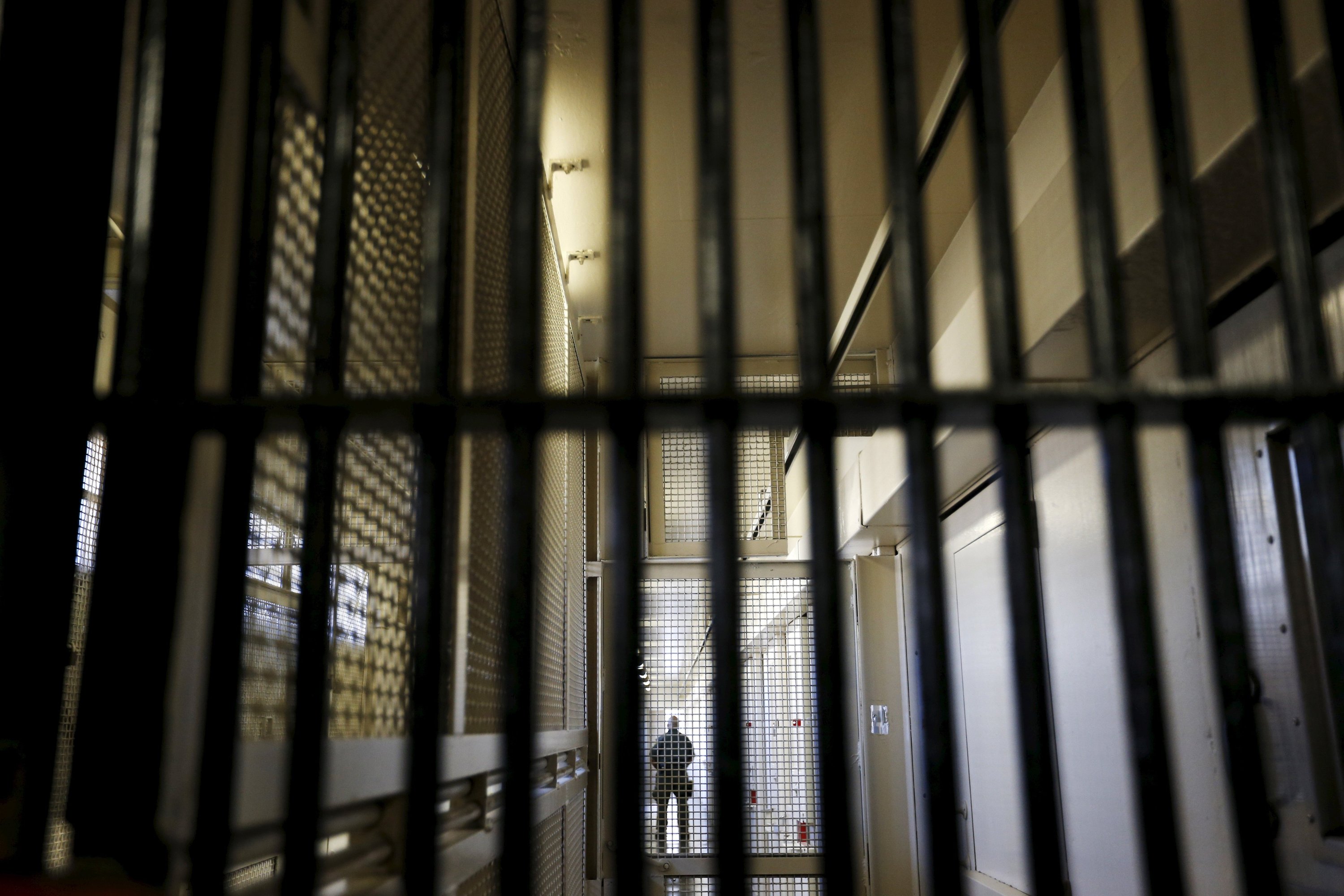
Working out of the Center for the Works of Mercy on Woodward Avenue in Detroit's Midtown, Catholic Charities currently oversees teams of chaplains who visit the Monroe County Jail, the Macomb County Jail, the St. Clair County Jail, the Oakland County Jail, the Macomb Correctional Facility and the Thumb Correctional Facility, along with a chaplain working under the ecumenical Wayne County Jail Outreach Ministry.
“We need to get increased contact with these folks,” Deacon Billotto said. “This enables us to really build sustainable relationships with our teammates.”
The idea isn’t necessarily to centralize all prison and jail outreach ministry, but to be a conduit of services and support for the volunteers visiting jails and prisons.
“We’d like to make sure they are getting the support that they need, and getting the recognition they need,” Fr. Palkowski said. “It’s easy to burn out in a ministry like that, and we want to make sure people are being taken care of, especially when there's challenges. This isn’t an easy ministry.”
Fr. Palkowski emphasized that jail and prison outreach isn't just for Catholics, but like most of Catholic Charities' ministries, it's a service that's provided to whoever needs it. “That can be challenging in an environment like a prison or jail, so we want to look after our people,” he said.
Jail and prison ministry looks different depending on the situation and facility, from regularly scheduled Communion services and Bible studies in jails and prisons to one-on-one counseling for those in transition or on a short stay.
Recently, it has included ministry to those detained by Immigration and Customs Enforcement (ICE) in county jails where agreements exist with the federal Department of Homeland Security.
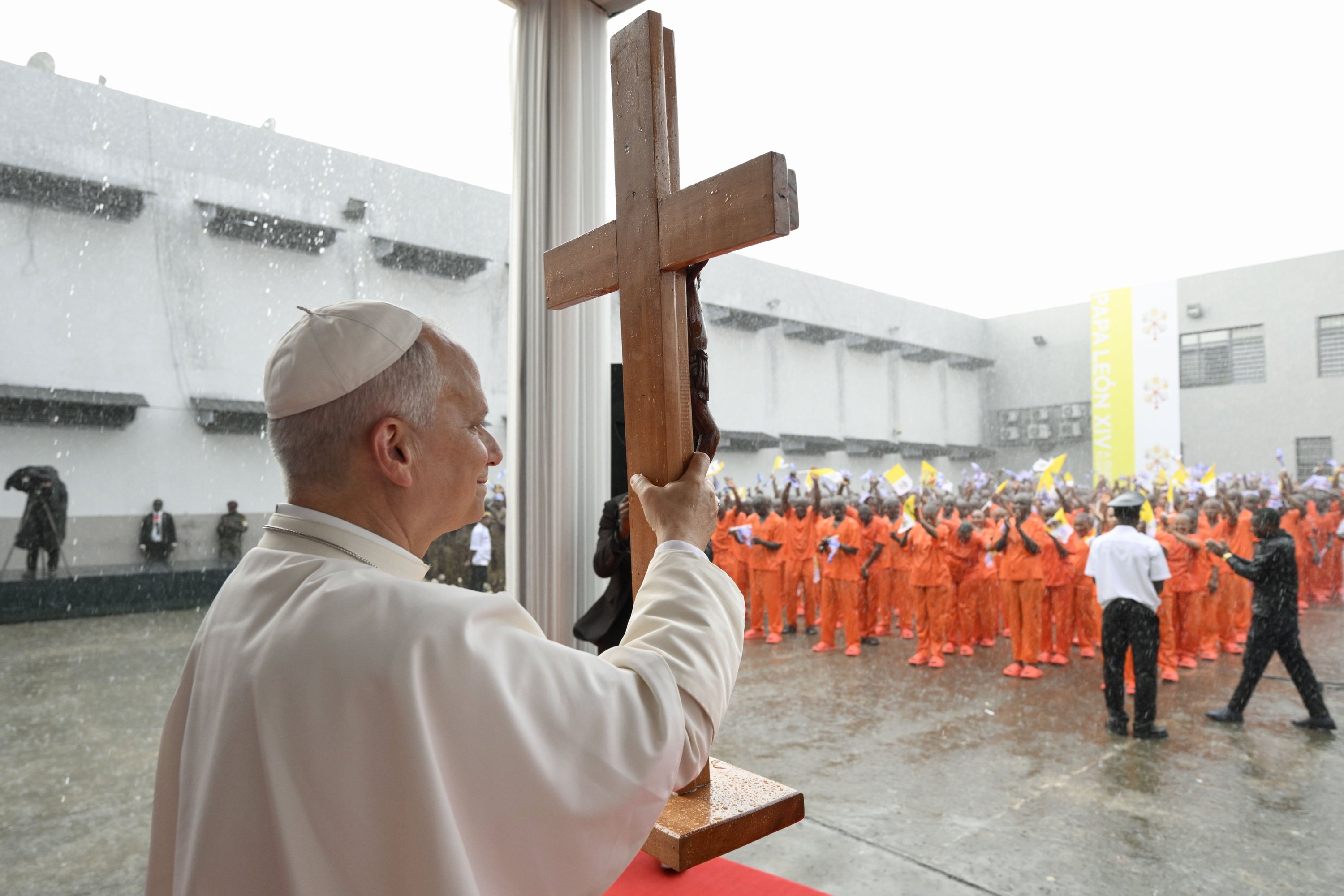
“More and more, we are seeing a need to have bilingual services, because among ICE detainees are usually a number of people who speak Spanish. We're trying to have Mass or Scripture reflections and readings in both languages," Fr. Palkowski said. “It’s about giving people a chance to talk about their faith or their struggles with what’s going on, and bringing the love of God to people. Prison can be a place of profound hopelessness, and the goal here is to bring the hope of Christ into the midst of that.”
Fr. Palkowski has been involved with prison and jail ministry for more than 20 years through the Capuchin Franciscan Province of St. Joseph, and he's found tremendous joy in bringing hope to people in some of the most difficult circumstances of their lives.
“I think for a lot of these people, they've sort of hit rock bottom, and they’re willing to reconsider the faith they grew up with,” Fr. Palkowski said. “It’s a great opportunity to bring people to back to the faith, back to the practice of it, back to a sense of God’s love.”
Fr. Palkowski said his approach involves helping inmates rebuild their relationship with God through the sacramental life, to the greatest extent possible.
“I want them to have the sacraments, I want them to be catechized, but I also want them participating in the works of mercy to the extent they can,” Fr. Palkowski said. “They can do a great deal for one another. They can be very supportive and help one another through all of this. It can make all the difference in the world. If you feel like you have the support of someone, you can become a person who chooses to act in a merciful way, to extend those works of mercy to the people around you, even in a place of incarceration.”
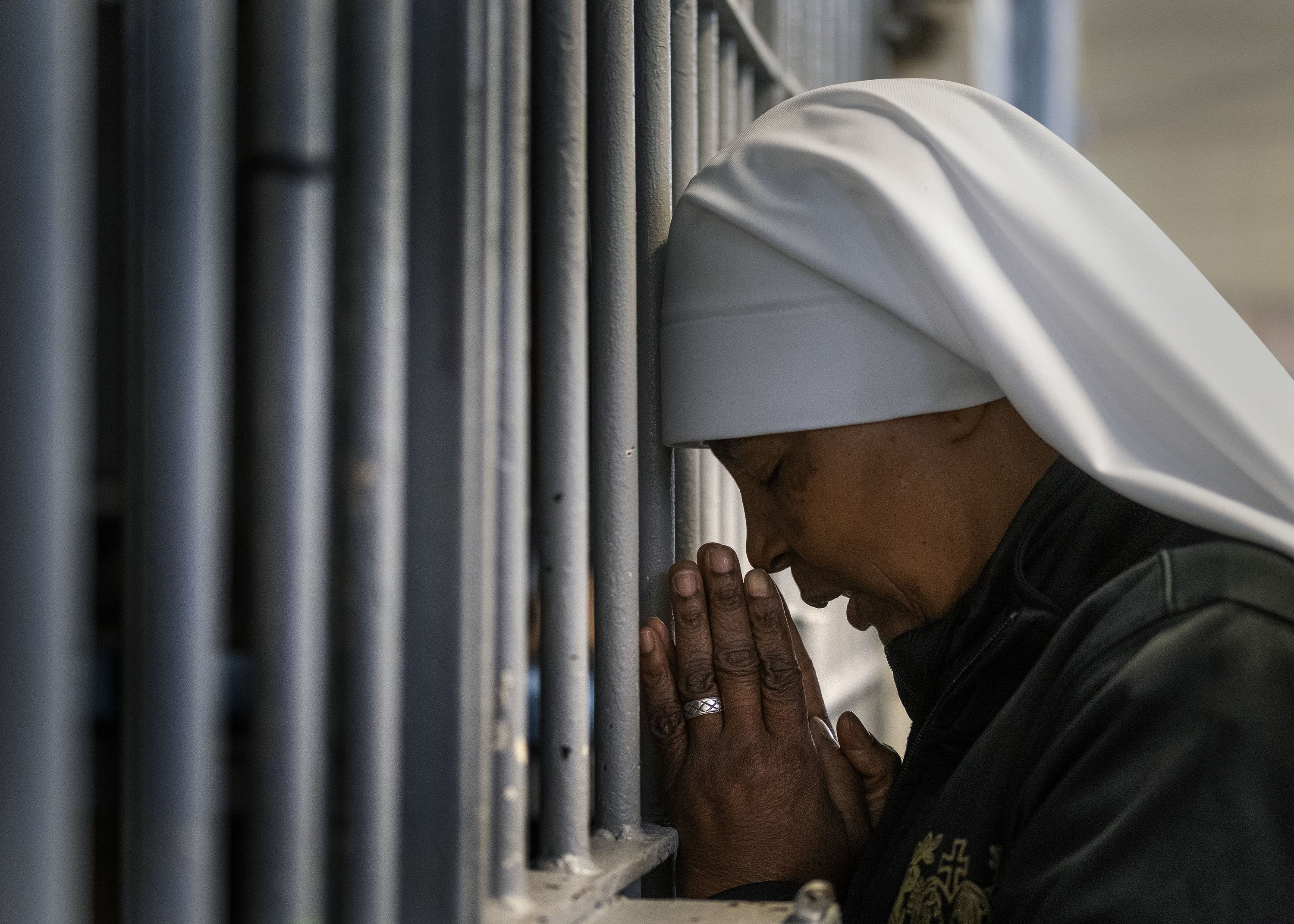
The goal is to help people reclaim their identity as children of God with inherent dignity, said Deacon Billotto, who first served as a prison chaplain at the women’s correctional facility in Ypsilanti.
“Their life isn’t defined by their past,” Deacon Billotto said. “And while they’re in this difficult time and place, they can still strive to be a disciple of Christ. They can live out Christ’s commandments, even in prison, and help others in being their light and their guide to Christ.
“Successful jail and prison ministry can open the hearts of people who are incarcerated,” Deacon Billotto said. “We try to make sure they understand they’re an eternal being, that they’re still children of God. They can repent and be restored to their original dignity in Christ, and also live out the calling to be a disciple, even behind bars.”
Having jail and prison ministry coordinated through Catholic Charities of Southeast Michigan can also help men and women access the nonprofit's other services and programs, especially as they return to society under parole or after their sentences have been served, Deacon Billotto added.
“The breadth of ministries Catholic Charities offers can directly help them re-enter society,” Deacon Billotto said. “We have partnerships with the Order of Malta with their medical, dental and vision services, we have La Casa Amiga in Pontiac for specialized help with the Hispanic community, and we have tremendous partnerships and relationships with other nonprofits to help these men and women get back on their feet.”
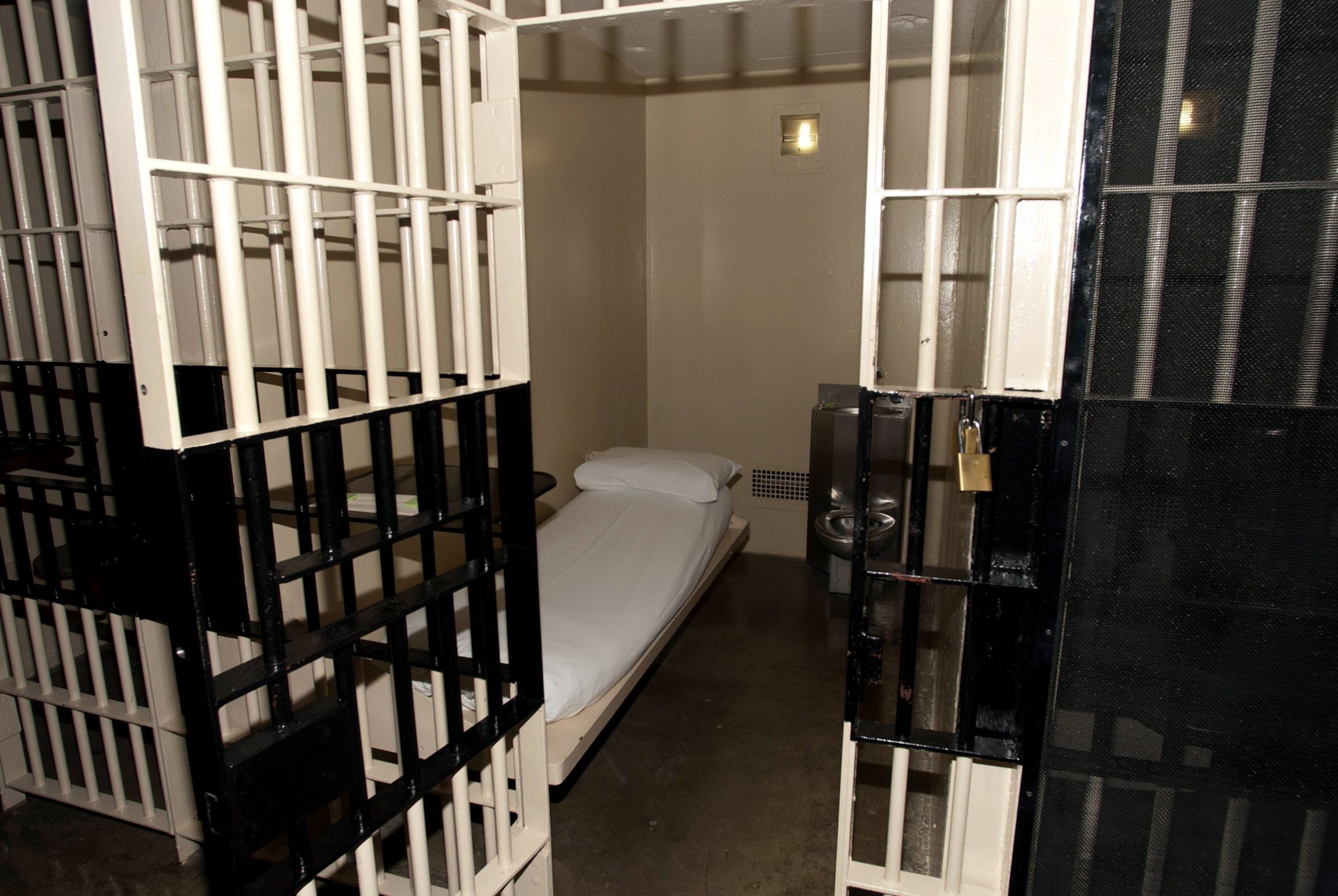
Even for the men and women who are in for life, there is still hope in Christ and a future for them as disciples, Fr. Palkowski added.
“I remember a couple of men I knew from Philadelphia who had very long terms, and one of them told me he would kill himself if he had to serve his term,” Fr. Palkowski said. “Now, I knew him well enough, but I told him that he would not to do such a thing. I told him he had a mission to help someone else get to heaven. If you do that, you’ve succeeded as a human being. You've done something worth a human life.
“I told him, ‘You will have access to inmates in prison that no chaplain will ever have,” Fr. Palkowski continued. “You can bring the Gospel to them in a way no chaplain is ever going to be able to. Your life is not a waste. You will help people who would be lost come to know Christ, come to know the love of God, and come to salvation.' And that's the point of human life.”