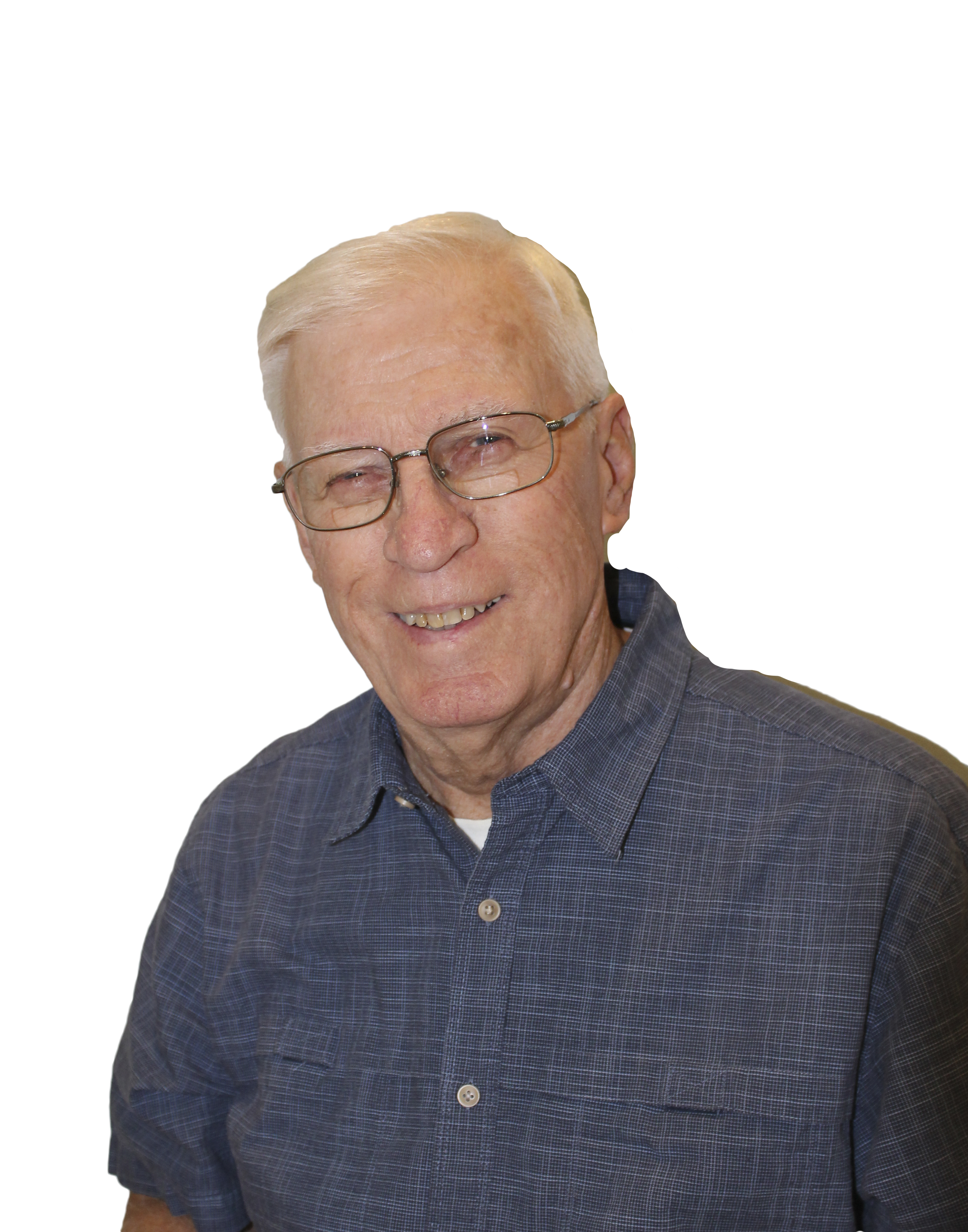

What price would you pay to achieve your boyhood dream?
Long before it was the thing to take your son or daughter to work with you for a day, it became a frequent ritual for Bob Kowalkowski and his son, Scott.
Bob was an offensive guard for the Detroit Lions. When Scott was 4 or 5 years old, he began tagging along with his dad to practices and games, at home and away. “I goofed around with the guys in the locker room,” Scott says. “I was 24/7 in a football environment.”
His uncle, David Olivo, was a quarterback at Miami (Fla.) and for the St. Louis Cardinals in the NFL, and his cousin, Brock Olivo, is an assistant coach with today’s Kansas City Chiefs. His mother, Judy, is in her 25th year working in the Lions front office.
At Orchard Lake St. Mary’s, Scott made the varsity as a freshman linebacker and wide receiver. He had a setback in his sophomore year. “I broke my leg in two places,” he said. He rebounded to play full time as a junior and senior, earning both All-State and All-American laurels.
In the fall of 1987, he picked Notre Dame over dozens of colleges that were recruiting him. He was starting linebacker in his junior and senior years.
In the spring of 1991, Scott realized “something I wanted to do as a little kid:” play in the NFL. The Philadelphia Eagles drafted him in the eighth round.
“It was a different world” that greeted Scott — then measuring 6-feet-2, in the range of 230 pounds, undersized by NFL linebacker standards — when he reported for camp to compete with 80 or more players for 50 spots on the roster. “Physically, mentally, two weeks of twice-a-day practices in full gear, a mountain of information, all the intricacies,” he recalled.
Scott played with the Eagles for two years. Philadelphia released him in 1993, and he signed on with the Lions for another eight seasons.
Scott captured the fans’ attention with his all-out, wide-open style of reckless abandon.
“Football is not for the faint of heart,” he said. “If you don’t play at full speed, you run the risk of getting injured.”
But injuries happen anyway. “I was knocked out cold three times in my career,” he says. “I was unconscious for just a couple of seconds.”
The treatment protocol for concussions then was medieval. “They’d ask you if you were dizzy or groggy. If you said OK, you went back out on the field.”
As for retirement in 2001, “My contract had run out; I was getting older (34). It was time to move on.”
Scott married Michelle 18 years ago. They are parents of Emma, a junior at Pontiac Notre Dame Prep, and Livy, 11. They live in Lake Orion. He is vice president for business development for Colasanti Construction in Macomb Township.
Let’s add up the price Scott paid to achieve his boyhood dream:
“I’m in pain a lot. I don’t sleep too well. I’ve had two knee scopes, major shoulder surgery in 2008 (from an injury suffered in 2001 in a pre-season game; “I sucked it up and played through it”), several disc issues, and I’ll have my left hip replaced on Dec. 15.”
Any regrets? “None. It was my goal. It was a privilege to play. I loved every minute of it.”
The Kowalkowski football legacy lives on. Bob retired in 1977 after 11 seasons. He founded Kolo Charities in 1991 to support Leader Dogs for the Blind and Pontiac Haven, a refuge for victims of domestic and sexual assault. It hosts a golf outing every summer in Houghton Lake. When his father died in 2009, Scott assumed leadership to carry on his father’s memory and work.
Don Horkey is a freelance writer. He may be reached at [email protected].