
Findings presented at Madonna University symposium show relationship between sustainable energy, lower disease rates
LIVONIA — Investment in renewable energy production has led to a decrease in pollution-related cancers in the ZIP codes where energy is produced over the past 30 years, according to research presented by a local priest and colleagues on April 22 — fittingly enough, Earth Day.
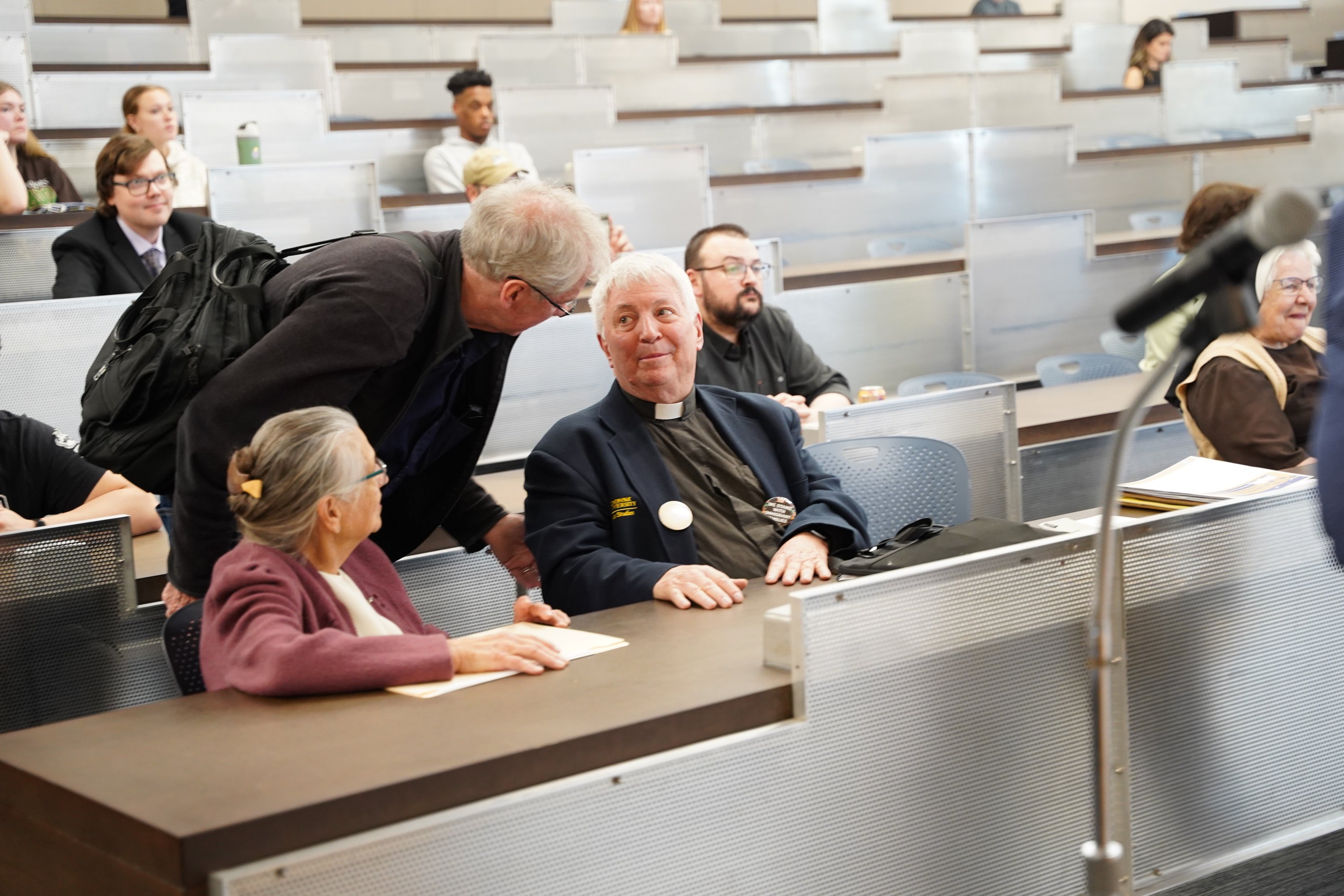
Fr. Charles Morris, a priest of the Archdiocese of Detroit who has served on the faculty of Madonna University since 2010, presented research alongside Elaine Hockman, Ph.D., a specialist in research design, measurement, and statistical analysis at Wayne State University; and Sofia Qureshi, a Michigan native pursuing a Bachelor of Arts in biology at Boston University, during the Madonna University Center for Research's 12th annual Symposium for Research, Scholarship and Creativity.
Fr. Morris and his colleagues examined data comparing cancer rates and other diseases caused by pollution in areas that have converted to more sustainable power generation, examining cases across race and class from 1990 to 2020.
Since the state of Michigan made a commitment to greening the power grid in 2008, the team wanted to see whether the introduction of sustainable energy sources has corresponded with better health outcomes in the areas where such energy has been introduced.
Fr. Morris said the introduction of renewable energy sources in replacement of coal-powered plants — particularly since the passage of Public Act 295 in 2008 — has resulted in a reduction of pollution-related disease in the ZIP codes where the power plants reside.
“We’ve established, which I think is exciting ... that yes, the emissions have gone down in theses areas, that going green on the grid has a statistically significant impact on lowering cases for these diseases,” Fr. Morris said. “So green is good, and we’ve shown that despite what you might hear from some sources, that the renewable energy is having a real impact on public health and real people's lives.”
For the public health data in the report, Hockman examined statistics provided by the Michigan Department of Health and Human Services from the 2020 U.S. census examining three years of cancer data for 18 different types of cancer, birth weight data over a three-year period, and asthma rates and lead blood levels for people living in ZIP codes with power plants. The study also examined race and social class in relation to exposure to various pollution sources.
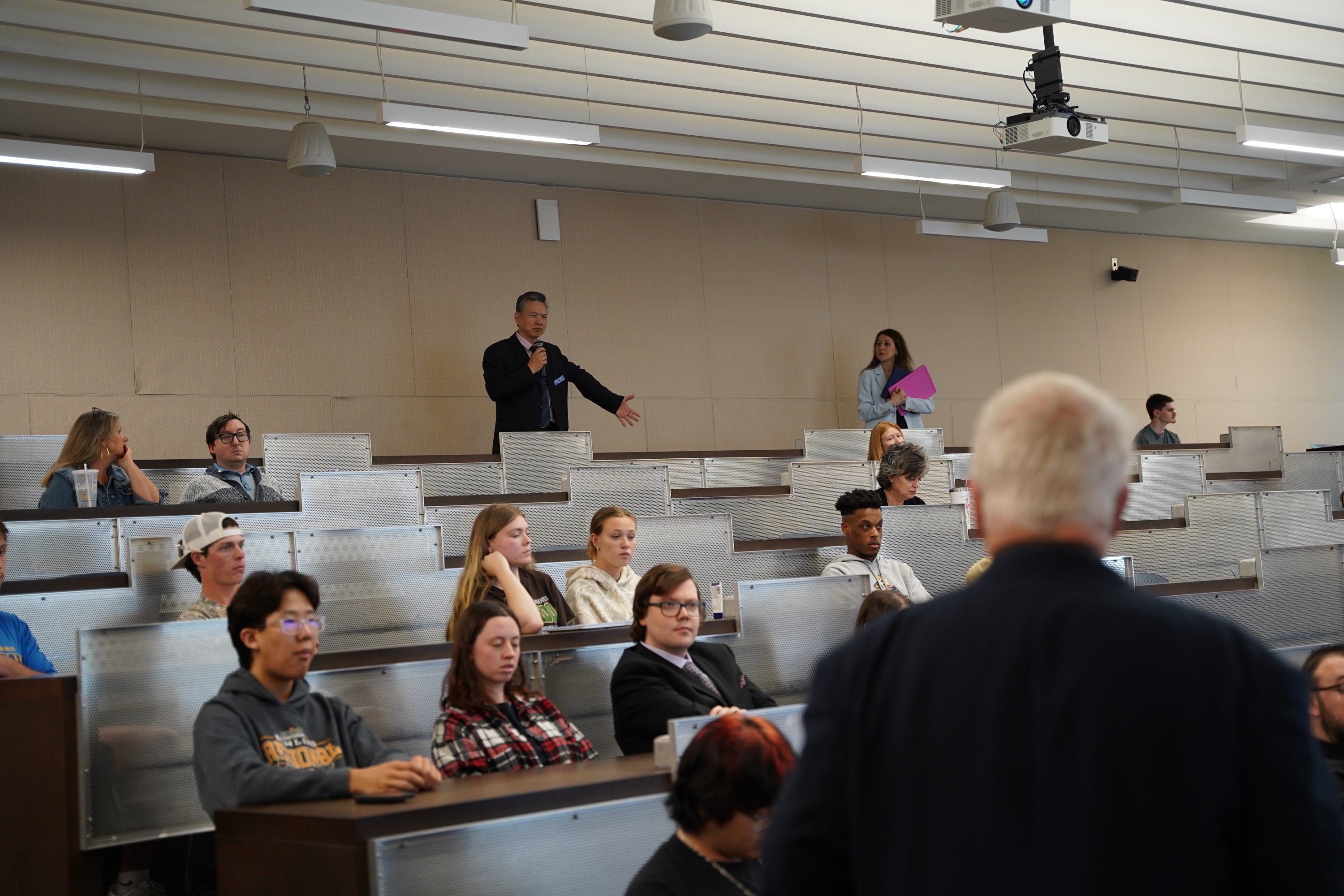
Minorities bear much of the brunt of pollution’s impact on public health because many minority communities tend to live closer to power plants, where housing tends to be more affordable, Hockman told Detroit Catholic.
“Minority communities are living close to incinerators and power plants or whatever industry is causing pollution, and their rates of cancer and other health conditions increase,” Hockman said. “We really don’t have any data on individuals. We didn’t do interviews with people door to door; we just have the data to go off of.”
Southeast Michigan residents can look to local examples of communities with limited financial and political power to see how industrial zoning has created great health risks for certain communities, Fr. Morris said.
Fr. Morris and Hockman specifically looked at the income status, pollution rates and health statistics of ZIP codes along the Detroit River on Jefferson Avenue by Zug Island and in Del Rey, observing how people of a lower socio-economic status are boxed into living in more polluted areas.
“In terms of money, in terms of political influence, you’re not going to get an incinerator in, say, West Bloomfield. They have the ability to keep those away with zoning laws,” Fr. Morris said. “Then you have places like southwest Detroit, for instance, in 48217, they don’t have those resources. So if you’re going to place something like a hazardous waste treatment facility, they put them in those communities, offering jobs for the area, but it’s a double whammy where people without the means are forced to live next to pollutants.”
On the other hand, areas that have switched to green energy, either partially or completely, have seen a decrease in health risks, Fr. Morris and Hockman have observed.
“Where and when you have green power, where solar farms have been installed, and when we have changing behaviors like energy efficiency in building and getting away from coal, we see people with less risk for cancer or respiratory issues on a geographic basis,” Fr. Morris said.
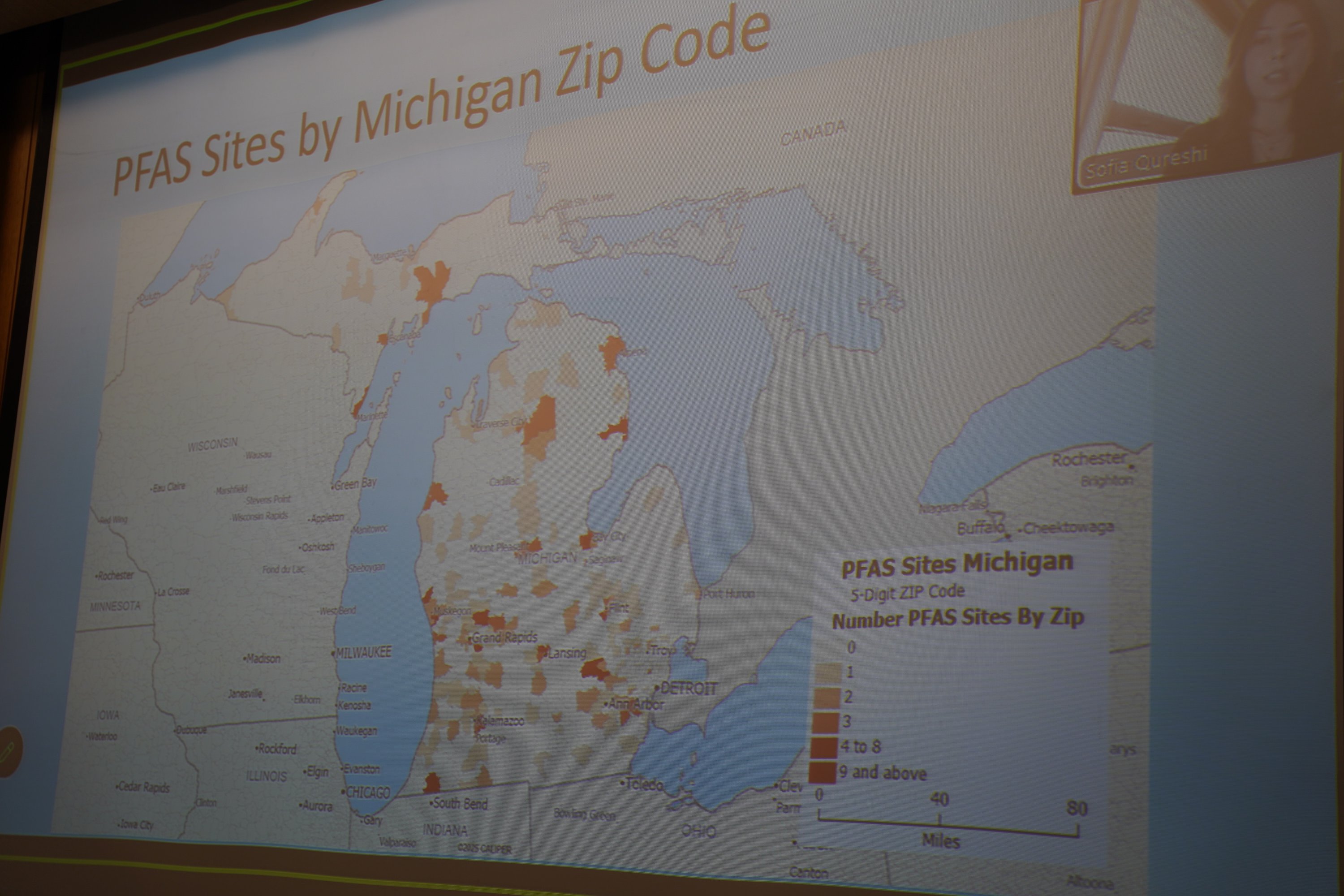
Qureshi focused her portion of the presentation on PFAS — commonly referred to as “forever chemicals” — and the long-term impact of exposure to these chemicals across Michigan ZIP codes and income levels.
“Our goal was to examine whether PFAS pollution density and pollution-related cancer burdens correlate with two demographic factors, including racial composition and income level across Michigan ZIP codes,” Qureshi said. “Our initial hypothesis was that communities with a larger portion of minority residents and lower income levels would experience higher PFAS exposure, and the statistical results did strongly affirm this expectation. Across Michigan ZIP codes, the proportion of minority residents emerged as the strongest predictor of both PFAS pollution density and pollution-associated cancer rates.”
Qureshi’s research indicated that communities with higher minority populations had a higher exposure to cancer risk from environmental factors, more so than comparing communities across income levels.
“Adding income to the model did not reduce the influence of racial composition; rather, it strengthened it,” Qureshi said. “This mirrored long-established environmental justice findings, showing that race often has a stronger impact than socioeconomic status on environmental risk. The key takeaway is simple: the environmental risk in Michigan is not distributed randomly. It is patterned along demographic lines, and those patterns directly translate into pollution-related cancer burdens.”
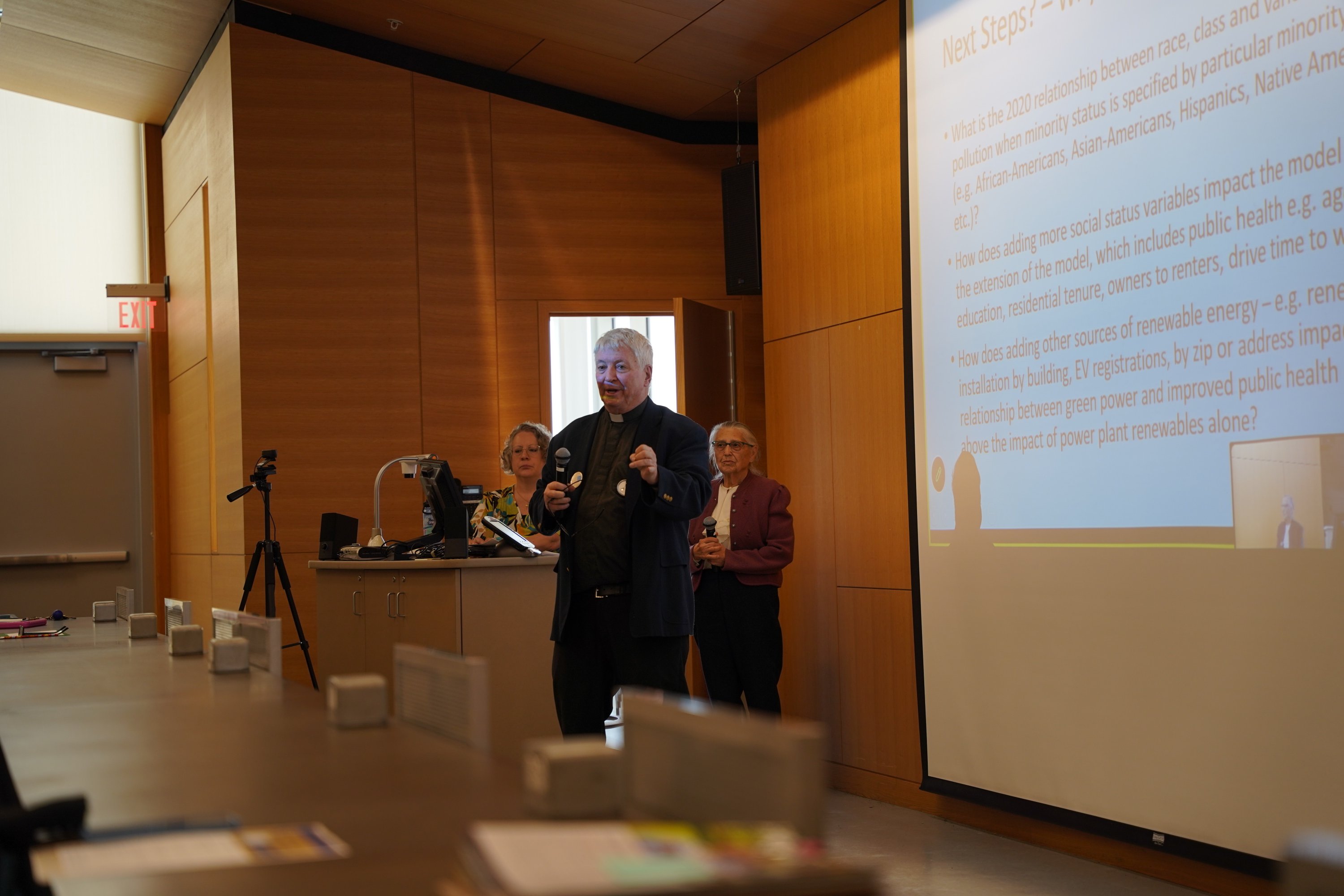
Fr. Morris and Hockman spoke with Detroit Catholic about the next steps for their research and how it can help promote a greener, cleaner energy grid.
“The Michigan Catholic Conference has been supportive of that," Fr. Morris said. “There is legislation right now that we’re working on with (the MCC) to allow plug-in solar, which will benefit renters and people who don’t typically have access to solar. This will help keep up the trend of renters, people in apartments, those most affected by pollution, living in dense apartments, and they would be able to help contribute by going green.”
Fr. Morris, 76, and Hockman, 86, hope their research encourages younger researchers — especially Madonna University students — to analyze their data further, delving into the concrete results of green energy installations on the health of the local population.
“We still do our best, but neither of us is going to be around forever," Fr. Morris said. “There is so much more we can do; we've just scratched the surface with this data and the questions it can address. And from those questions, the answers we can find helps drive public policy to help us take care of God’s creation and God’s people.”